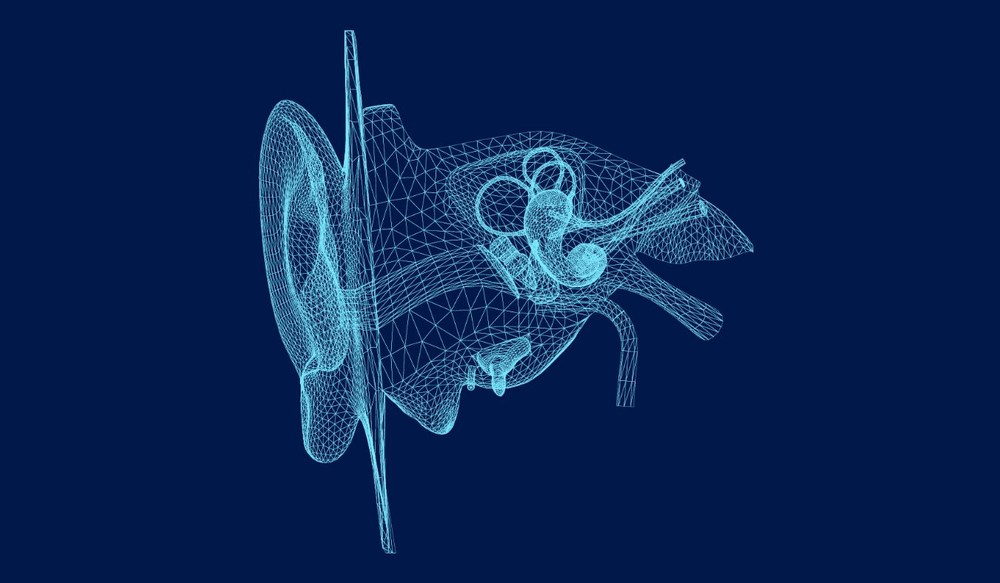
Spring allergies are usually thought of as a nose and eye problem, but the ears tend to get pulled into it too. When congestion builds up and the pathways connected to your ears get blocked or irritated, it can affect how sound comes through in ways that feel subtle at first.
Things might seem slightly muffled, or you might find yourself asking people to repeat themselves more than usual without quite being able to explain why.

That kind of temporary change in hearing can make situations feel a little harder than they should.

A conversation at work where you’re missing every third word, a social plan that feels more draining than it used to or a phone call where you keep asking the other person to speak up. None of it is dramatic on its own, but when it’s happening on top of already feeling run down from allergies, it adds up.

How Allergies Can Influence Your Hearing Health

Allergies don’t just stay in the nose or eyes, and a lot of people notice changes in how clearly, they hear when symptoms are active.

When the body reacts to allergens, it can create swelling and extra fluid in nearby areas, which can interfere with how sound normally moves through the ear.

That can make hearing feel slightly different than usual, especially during times when allergy exposure is higher. For some people it comes and goes with seasons or specific environments, and for others it shows up more often when triggers are harder to avoid.

Allergy Symptoms that Frequently Involve the Ears

Allergy flare-ups don’t always stay limited to the nose or the eyes, and the ears can be affected as part of that same response. When inflammation and pressure changes build up, they can appear in ways that feel noticeable in hearing and comfort.

Allergy symptoms that often involve the ears include:

    • A feeling of fullness or pressure in one or both ears.
    • Changes in how clearly sounds are heard.
    • A sense that the ears are not adjusting normally to pressure changes.
    • Mild discomfort that shifts during allergy flare-ups.
    • Sensitivity in the ear area during periods of congestion.

What is the Connection Between Sinus Pressure and Ear Discomfort

When the sinuses become inflamed and start to fill with extra fluid or swelling, the pressure in that area can affect nearby spaces that help the ear regulate air and balance.

The ear relies on that balance to function comfortably, so when pressure in the surrounding tissue, the ear can feel the difference even if nothing is directly wrong inside it. This is why changes in sinus conditions often line up with changes in how the ear feels.

How Congestion May Cause Temporary Changes in Hearing

Congestion from allergies can sometimes cause temporary changes in hearing. When your nose and sinuses are blocked, the Eustachian tube may also become swollen or filled with fluid.

This makes it harder for sound to travel clearly. You might notice that sounds seem muffled, voices are harder to understand or there is a sense of fullness in one or both ears.

Popping or crackling noises when swallowing or yawning are also common. These changes usually improve once congestion clears.

Reasons Ears Might Feel Blocked During Allergy Season

During the allergy season, ears can feel blocked because the same inflammation happening in the nasal passages can affect the small space that helps regulate pressure.

That space needs open airflow to stay balanced, and when nearby tissue becomes swollen, it can make that process less efficient. As pressure changes happen instead of moving freely, the ear can start to feel like it isn’t fully adjusting the way it normally would.

This is why the sensation often shows up at the same time as congestion or seasonal irritation, even though the ear itself hasn’t changed in structure.

Noticing Signs of Hearing Changes Linked to Allergies

Allergies can do more than cause nasal or sinus issues, and some people notice how their hearing feels when symptoms are active. These changes often build alongside congestion and can come and go depending on exposure.

Noticing signs of hearing changes linked to allergies includes:

    • Sound not feeling as sharp or clear as it normally does.
    • Conversations taking a bit more effort to follow in different settings.
    • Hearing that seems to vary during different points in allergy season.
    • A general sense that sound isn’t coming through as easily.
    • Changes that show up alongside periods of congestion or flare-ups.

Telling Allergy-Related Hearing Issues Apart from Other Causes

Other causes of hearing changes don’t usually follow that same pattern. They are less tied to environment or timing and don’t tend to come and go with flare-ups.

Paying attention to when the change shows up and what else is happening with your allergies at the same time is often what helps separate the two.

Why Regular Hearing Checkups Matter for People with Allergies

Allergies can affect how your ears feel and function, especially during certain seasons or with repeated exposure to triggers. Because those changes aren’t always constant, it can be hard to notice small differences in hearing as they build gradually in the background.

Regular hearing checkups help track these in a more structured way, especially when symptoms come and go depending on allergy activity.

This makes it easier to understand whether what you are noticing is part of your usual allergy pattern or something that is starting to change outside of it.

What You Can Expect at a Hearing Checkup Appointment

At a checkup appointment, the visit usually starts with a short conversation about what you have been noticing and how things may have changed. This helps set the context for what will be looked at during the rest of the appointment.

From there, your hearing is measured using a series of tests that present different tones and speech at varying levels. Which helps show how sound is being processed in each ear.

The results are reviewed right away so you can see how your hearing is responding in different situations.

In some cases, a closer look at the ear itself may also be part of the visit to rule out anything physical that could be affecting how sound is traveling.

Helpful Questions for You to Ask Your Audiologist About Allergies and Ear Health

When allergies start to affect your ears, knowing what questions to ask can help you get the information you need. Consider asking:

  • Can allergies cause temporary hearing changes or muffled sounds?
  • What are the signs that my ear symptoms are related to allergies instead of something else?
  • How long do allergy-related ear symptoms usually last?

You might also want to ask about safe ways to manage ear fullness or pressure when allergies flare up. Also, whether certain over-the-counter medications could help or make things worse.

Easy Ways to Protect Your Ears on Days with High Pollen Counts

On days with high pollen counts, taking simple steps can help protect your ears from allergy symptoms. Try to stay indoors during peak pollen hours, usually early morning and late afternoon.

If you need to go outside, wearing a wide-brimmed hat or using an umbrella can keep pollen from settling on your hair and ears. Washing your hands and face after being outdoors helps remove any pollen that may have collected near your ears.

Keep windows closed at home and in the car to reduce the amount of pollen that enters your space.

Best Time to Schedule a Spring Hearing Checkup

Spring brings a mix of changes in air quality, temperature and allergy activity that can all affect how your ears feel from day to day.

Because of that, it often makes sense to plan a hearing checkup before those changes fully ramp up.

Late winter or the very start of spring is usually a steadier point in the year, when outside factors have not yet started altering things as much. That timing makes it easier to understand how your hearing is working without everything seasonal layered on top of it.

Taking Steps for Better Hearing Health During Allergy Season

If spring feels like a season where your hearing is a little different than usual, it can be helpful to get a clearer sense of what is tied to seasonal changes and what your baseline looks like.

Allergy activity and other spring shifts can overlap with everyday hearing in ways that are easy to mix. Having a point of comparison during this time of year can make those patterns easier to understand over time.

Hearing Wellness Centre in Windsor, ON works with people who notice these seasonal shifts and want a better sense of what is typical for them. Whether it is something you have picked up on recently or a pattern you have noticed in past springs, you can reach us at (844) 663-9433 to talk it through.