Everybody in Windsor has probably done it at least once: standing at Sandpoint Beach with your head tilted, trying to shake water from your ear. Maybe you’ve done the same thing after swimming at a community pool or spending a week at a cottage.

Sometimes the water comes out. Other times, you’re still noticing it hours later. Most of us were never taught what to do beyond tilting our heads and hoping for the best.

How you dry your ears matters because water can stay trapped in the canal after you leave the water. Reaching for a cotton swab or pushing a towel inside can move moisture deeper instead of removing it.

A damp ear canal can also become irritated when it stays wet for too long. If swimming is part of your summer, knowing how to dry your ears properly can save you from guessing each time. It only takes a few simple steps.

How Moisture Can Impact the Health of Your Ears

Moisture changes the skin inside your ear canal before you ever feel anything unusual. When that skin stays wet, it can soften and become easier to rub or scrape.

Earwax can also swell after it absorbs water, which may leave the canal feeling more blocked than it did before swimming.

The ear normally keeps a slightly acidic environment that discourages unwanted growth. Too much water can disturb that balance and wash away some of the wax that protects the skin.

Chlorinated pool water may dry the area afterward, while lake water can leave behind other material from the water itself. Repeated exposure can leave the canal more sensitive from one swim to the next.

Why Water Gets Trapped in Your Ears After Swimming

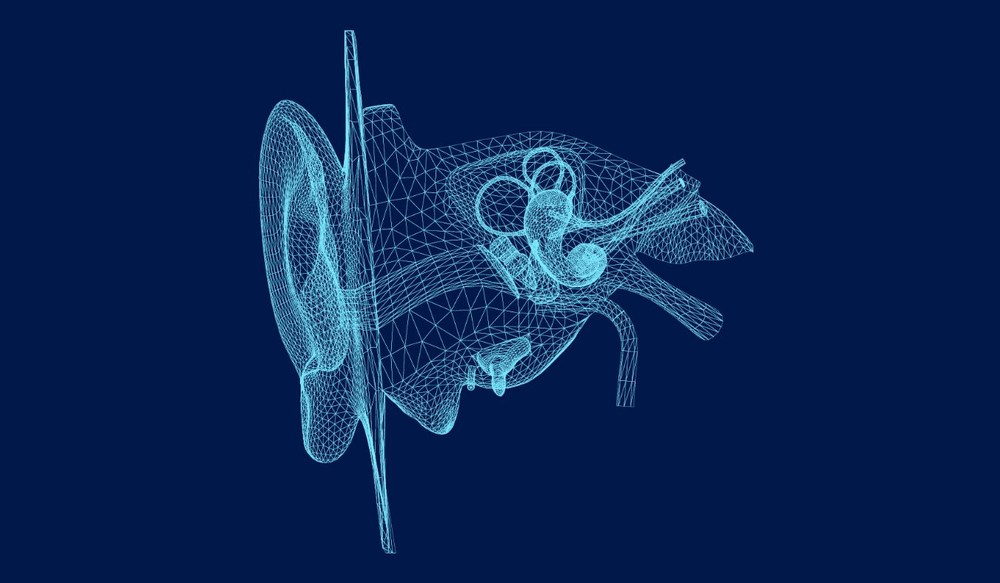
Water can stay behind after swimming because the ear canal is narrow, curved and not shaped like a straight tube. A small amount may settle against the skin instead of draining right back out.

Earwax or tiny hairs can also slow the path out, especially when water collects around them. Surface tension can hold a thin layer in place even when most of the water has already drained.

Your ear shape matters too. Some canals are tighter or have bends that make it easier for moisture to sit in one spot.

Earplugs, earbuds or swim caps can sometimes leave water behind if they trap it near the opening. That is why one ear may clear quickly while the other still feels full long after you get out of the pool.

Possible Risks When Water Stays in Your Ears

A little water in the ear usually clears on its own, but trouble can start when it stays there for hours. Damp skin is easier to irritate, especially if you scratch at the canal or try to dry it with something inserted into the ear.

Once the skin is damaged, bacteria or fungi have an easier time growing. That can lead to swimmer’s ear or another infection that may need treatment.

Lingering water can also affect how sound reaches the eardrum. You may notice temporary muffling or a plugged feeling until the canal dries.

Repeated episodes can leave the skin more reactive after future swims, making the same problem easier to trigger again.

Noticing Signs That Water Remains in the Ear Canal

Water doesn’t always drain from the ear as soon as you get out of the pool or lake. You may notice it later through small changes like:

    • A sloshing sound when you tilt your head.
    • Hearing that seems muffled on one side.
    • A plugged sensation inside the canal.
    • Water moving when you chew or move your jaw.
    • An occasional trickle from the ear.
    • Sounds seeming different between your left and right ears.

Common Mistakes People Make While Drying Their Ears

A gentle head tilt usually gives moisture a better chance to drain without anything going inside the ear.

Ear-drying drops are another option for some people, though they aren’t appropriate for everyone. If you have ear tubes, a perforated eardrum or previous ear surgery, check with an audiologist before using them.

Safe Head Movements That Help Remove Trapped Water

A few gentle movements can help trapped water shift toward the ear opening without putting anything inside the canal. Tilt your head so the affected ear faces downward, then slowly move your jaw as if you’re chewing or yawning.

You can also gently pull the outer ear backward while keeping your head tilted, which may straighten the canal enough for water to drain.

If the feeling doesn’t change, switch sides and give it a few moments before trying again. Quick shaking or forceful movements usually aren’t necessary.

Using a Soft Towel to Gently Dry the Outer Ear Area

Once you’re out of the water, a soft towel works well for the parts of your ear you can easily reach. Pat around the outer ear and just outside the canal instead of rubbing back and forth.

The towel can absorb droplets sitting on the skin while the water deeper inside drains on its own. You can tilt your head toward the towel for a few seconds to give gravity a chance to help.

Keep the corner of the towel outside the canal, even if you can still feel water farther in. Pushing fabric inside doesn’t give it better access to trapped moisture and may move earwax deeper.

After you’ve dried the surface, leave the ear uncovered for a while. Air moving around the opening can take care of the dampness that’s left behind.

Helpful Tips for Children and Those with Sensitive Ears

Children and people with sensitive ears may need a gentler approach after swimming. Keep things simple and avoid trying to force every drop out right away.

    • Let the affected ear face downward for a minute or two.
    • Pat the outside with a soft towel instead of rubbing.
    • Give the ears some uncovered time before putting on headphones, earbuds or a hat.
    • For children, turn drying off into part of the usual after-swim routine.
    • Skip cotton swabs or anything else that goes inside the canal.
    • Ask an audiologist about swim plugs if trapped water happens often.

How Swim Caps or Earplugs Can Prevent Trapped Water

Swim plugs sit closer to the canal opening and block more direct contact with water. Some are made in standard sizes, while custom plugs are shaped for an individual ear.

How they sit matters once you get in the water. A loose plug may move while swimming and let water slip around the edge.

Caps can also move as you turn your head, especially during laps.

Checking the placement before getting in can prevent repeated adjustments with wet hands. After swimming, remove either one slowly so any water sitting around the outside doesn’t get pushed toward the canal.

Knowing When to See an Audiologist for Ongoing Discomfort

Most water that gets into the ear after swimming drains without needing an appointment. A professional audiologist should take a look when the discomfort sticks around or something about the ear feels different:

  • A plugged feeling that doesn’t clear after the ear has dried.
  • Muffled hearing that continues into the next day.
  • Pain when you touch or gently pull the outer ear.
  • Fluid draining from the canal.
  • Itching that keeps returning after swimming.
  • One ear suddenly sounding different from the other.
  • The same trouble developing after nearly every swim.

Daily Habits to Keep Your Ears Dry

Wet hair can keep the skin around your ears damp long after you leave the pool. Dry the hair closest to your ears first, especially if it tends to rest against the sides of your head.

If you wear a headband, hat or helmet afterward, make sure the fabric is dry before putting it on. Damp material can hold moisture against the outer ear for much longer than you realize.

What happens later in the day matters too. Avoid going to bed with wet hair pressed against your ears, since that can keep the area damp overnight.

Change out of wet swim gear before it has time to keep the skin around your head and neck humid. Keeping dry towels and clothing in your swim bag also makes it easier to take care of that before you head home.

Keeping Your Ears Safe and Comfortable After Swimming

After a few trips to the pool or beach, drying your ears can become part of what you do when you get out. It only takes a minute before you move on with the rest of your day.

Sometimes, though, an ear still feels plugged the next morning or starts bothering you between swims. When that keeps happening, it’s a good reason to have someone look inside the canal.

At Hearing Wellness Centre in Windsor, we can check whether water, wax or irritation is behind what you’re noticing.

We can also talk about swim plugs if trapped water keeps happening throughout the summer. Call us at (844) 663-9433 to schedule a visit before your next swim.